Types of jigs and purposes of using jigs
Fixtures come in many sizes and shapes. They often help ensure the correct position of work pieces during machining.
During the machining process, manufacturers use different tools to help shape, shape, or finish machined parts. This process previously happened with the help of manual operating tools. Today, automation often allows for faster machining. Specialized devices called “jigs” support tooling in the manufacturing process.
The purpose of the fixture
In its most basic form, machining jigs help maintain an optimal positional relationship between the work piece and the manufacturing tool. During assembly, it can also promote the position of different parts of a work piece. The fixture usually expedites the machining process.
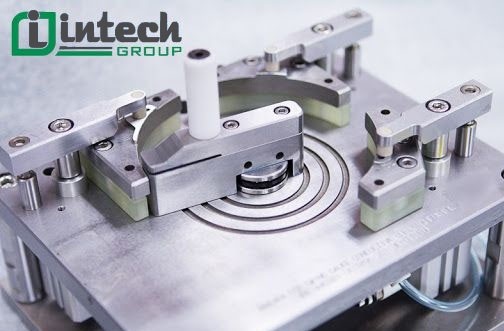
Types of machining jigs
Inventors have created a large number of useful jigsaws. These devices support the fabrication of industrial components. In some cases, the fixture also serves as a template, template, or gauge that is used to guide the shaping of the work piece. Fixtures come in many sizes and shapes. They often help ensure the correct position of work pieces during machining. In addition, some jigs also help hold parts in place relative to others during product assembly.
- Drilling jigs: This type of jigs helps the manufacturer to drill or drill identical holes in the work piece in progress. For example, while a rotating blade abrades material from a surface, a drill jig can ensure a part continues to remain in the optimal position.
- Welding fixture: This fixture helps to stabilize the workpiece during welding. For example, they help keep parts tightly held together. The use of welding jigs allows metal fabricators to conduct welding operations more safely as the component parts will not loosen or move during the application of the weld.
- Mold jigs: The use of these specialized jigs allows the manufacturer to guide the part forming. For example, the pattern functions as a template when cutting material out of sheet metal. Sample jigs can help prevent unnecessary material loss during fabrication, contributing to more cost-effective fabrication.
- Plate jig: This device works in the same way as a mold jig. It usually includes a mechanism for clamping the work piece to the plate jig during part forming. Manufacturers sometimes use the plate jig as a guide to drill holes in uniform positions across multiple work pieces during the toolpath.
- Table jigs: A specialized type of open-ended fixture widely used in manufacturing processes, this device allows the machinist to make uniform changes to a single contact surface of the set. metal parts.
- Grinding jig: This useful jig helps to position the tool correctly during sharpening and sharpening. It allows for consistently angled blades to be produced across cutting tools


